


2021 Chianti Classico Riserva “Terrazze”
Castagnoli
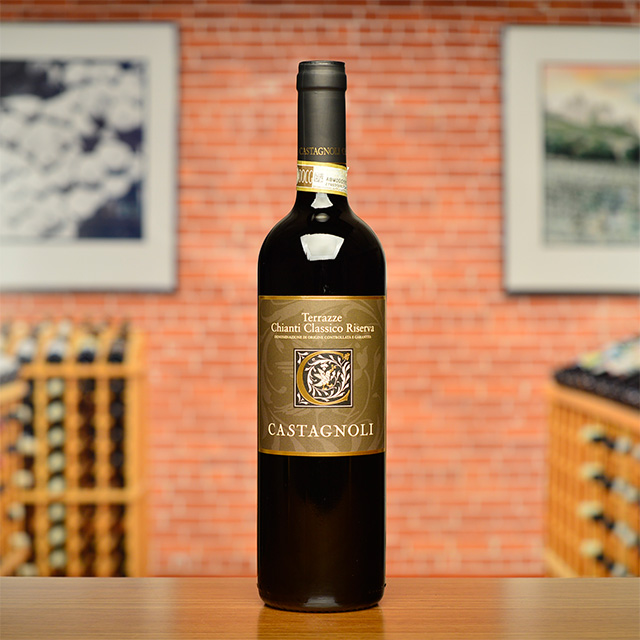
Castagnoli’s well-aged Terrazze reserve is a long-lasting and dense Chianti Classico, brooding with black currant, pepper, and resin. It’s made from Sangiovese grapes that grow on one of the most spectacular properties I’ve ever visited. The staked vines that dot their steep terraced hills resemble those of the northern Rhône, but with the olive trees, surrounding forest, and an abundant scent of wild sage in the air, the ambiance and landscape are distinctly Tuscan. Terrazze will have you craving something hot and meaty off the grill, so plan for a burger night in advance.
—Jane Augustine
| Wine Type: | red |
| Vintage: | 2021 |
| Bottle Size: | 750mL |
| Blend: | Sangiovese |
| Appellation: | Chianti Classico Riserva |
| Country: | Italy |
| Region: | Tuscany |
| Producer: | Castagnoli |
| Winemaker: | Alfred Schefenacker |
| Vineyard: | 10 years average, 6.53 ha |
| Soil: | Galestro Schist |
| Aging: | Wine is raised in 500L barrels (none or very little new depending on vintage) |
| Farming: | Organic (certified) |
| Alcohol: | 15% |
More from this Producer or Region

Extra Virgin Olive Oil
Italy | Tuscany
Bright, intense green with hints of fennel and parsley, a Tuscan treasure.

2022 Chianti Classico Riserva
Italy | Tuscany
Fragrant notes of herbs, forest floor, and brambles define this Sangiovese, possibly the perfect comfort wine for homemade pasta.

2025 Toscana Sauvignon
Italy | Tuscany
The Sesti Sauvignon yields a crisp, flowery white that’s a beautiful match for locally caught seafood or a bright summer salad.

2025 Toscana Rosato
Italy | Tuscany
Gentle and mouth-filling, this rosato is perked up by a touch of salinity imbued by the oceanic soil.

Extra Virgin Olive Oil
| Tuscany
We look forward to their oil every year for copious use with beans, pastas, ragùs, soups, and greens.

2021 Toscana Rosso “Pietrafocaia di Sopra”
Italy | Tuscany
The 2021 is a masterpiece: high-intensity, salivating, with impressive concentration and length.

2024 Rosso di Montalcino
Italy | Tuscany
August Club Rouge ~ Sesti’s Rosso di Montalcino, with its seductive and mood-enhancing perfume, is like a delicious elixir of black cherry, bitter herbs, and fragrant violet.

2023 Rosso di Montalcino
Italy | Tuscany
The serious caliber of the terroir shines through in this structured, yet friendly bottle of Sangiovese.
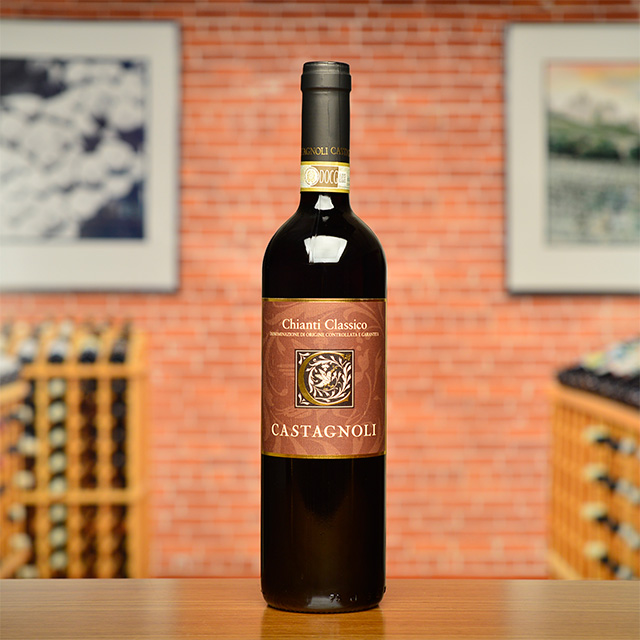
2023 Chianti Classico
Italy | Tuscany
The high altitude and stony soil give a unique expression of Sangiovese showing minerality, lift, and exotic aromatics.

2017 Brunello di Montalcino
Italy | Tuscany
This 2017 is compact and absolutely brimming with energy, culminating in a grippy, stony tannin.

About The Producer
Castagnoli
About The Region
Tuscany

Perhaps no region is tied to Italy’s reputation as a producer of fine wine as much as Tuscany. Since Etruscan times, viticulture has played a prominent role in this idyllic land of rolling hills, and the Tuscan winemaking tradition remains as strong as ever today. With a favorable Mediterranean climate, an undulating topography offering countless altitudes and expositions, and a wealth of poor, well-draining soils, conditions are ideal for crafting high-quality wines. Add to that the rich gastronomical tradition—Tuscany is home to some of the country’s finest game, pastas, salumi, and cheeses—and you have the blueprint for a world-class wine region.
This is Sangiovese territory; in fact, it is arguably the only place in the world where Sangiovese reaches a truly regal expression. In spite of a rocky history with fluctuations in quality, traditionally produced Chianti has reclaimed its status as one of the country’s most reliable, food-friendly reds, while the rapid rise of Brunello di Montalcino shows the grape’s potential for grandiose, opulent reds allying power and finesse. Traditionally-minded growers have stuck to using only indigenous grape varieties and employing techniques like aging in massive wooden casks known as botti, creating wines of terroir that shine at the Tuscan table.
Tuscan wines have had a place in our portfolio since Kermit’s first visit in 1977. While the names of the estates have changed, the spirit of those first unfiltered Chiantis he imported live on through our current selections.
More from Tuscany or Italy
2019 Brunello di Montalcino Riserva “Santa Maria”
Colleoni Italy | Tuscany
2021 Rosso di Montalcino
Ferretti Italy | Tuscany
2012 Chianti Classico Riserva MAGNUM
Villa Di Geggiano Italy | Tuscany
2021 Toscana Rosso “Pietrafocaia di Sopra”
J.G. Benda Italy | Tuscany
2018 Brunello di Montalcino Riserva “Santa Maria”
Colleoni Italy | Tuscany
2017 Brunello di Montalcino
Ferretti Italy | Tuscany
2020 Toscana Rosso
Cuna Italy | Tuscany
2020 Brunello di Montalcino Riserva “Phenomena”
Sesti Italy | Tuscany
2020 Chianti Classico “Ai Lecci”
Villa di Geggiano Italy | Tuscany
2024 Rosso di Montalcino
Sesti Italy | Tuscany
2025 Toscana Rosato
Sesti Italy | Tuscany
2023 Chianti Classico
Castagnoli Italy | Tuscany
2019 Brunello di Montalcino Riserva “Santa Maria”
Colleoni Italy | Tuscany
2021 Rosso di Montalcino
Ferretti Italy | Tuscany
2012 Chianti Classico Riserva MAGNUM
Villa Di Geggiano Italy | Tuscany
2021 Toscana Rosso “Pietrafocaia di Sopra”
J.G. Benda Italy | Tuscany
2018 Brunello di Montalcino Riserva “Santa Maria”
Colleoni Italy | Tuscany
2017 Brunello di Montalcino
Ferretti Italy | Tuscany
2020 Toscana Rosso
Cuna Italy | Tuscany
2020 Brunello di Montalcino Riserva “Phenomena”
Sesti Italy | Tuscany
2020 Chianti Classico “Ai Lecci”
Villa di Geggiano Italy | Tuscany
2024 Rosso di Montalcino
Sesti Italy | Tuscany
2025 Toscana Rosato
Sesti Italy | Tuscany
2023 Chianti Classico
Castagnoli Italy | Tuscany
Kermit once said...

Kermit once said...
A good doctor prescribed the wine of Nuits-Saint-Georges to the Sun King, Louis XIV, when he suffered an unknown maladie. When the king’s health was restored the tasty remedy enjoyed a vogue at court. Lord, send me a doctor like that!
Inspiring Thirst, page 117