


2023 Sancerre “Les Cris”
Daniel Chotard
Chotard’s Les Cris is named for the small limestone rocks that stud the vineyard, which sits on a subsoil of rich Kimmeridgian marl—great dirt for Sauvignon Blanc! Simon Chotard always tries to include some botrytized grapes in Les Cris—grapes touched by the same “noble rot” that produces Sauternes—which contribute a subtle honeyed character that, when combined with the grassy citrus notes and a delicious minerality of classic Sancerre, creates an irresistible tart-sweet tension.
—Dustin Soiseth
| Wine Type: | white |
| Vintage: | 2023 |
| Bottle Size: | 750mL |
| Blend: | Sauvignon Blanc |
| Appellation: | Sancerre |
| Country: | France |
| Region: | Loire |
| Producer: | Daniel Chotard |
| Winemaker: | Simon Chotard |
| Vineyard: | 30 years average, .9 ha |
| Soil: | Clay, Limestone, Kimmeridgian marl |
| Aging: | After 8 months, wine is transferred to tank for 3 to 5 months and then 3 to 5 months in bottle. Total aging is 14 to 18 months.. |
| Farming: | Organic (certified) |
| Alcohol: | 13.5% |
More from this Producer or Region

2022 Chinon Blanc “Les Charmes”
France | Loire
The singularity and beauty of Chenin Blanc really shines with a bit of age, which is what makes this wine so special to enjoy now.
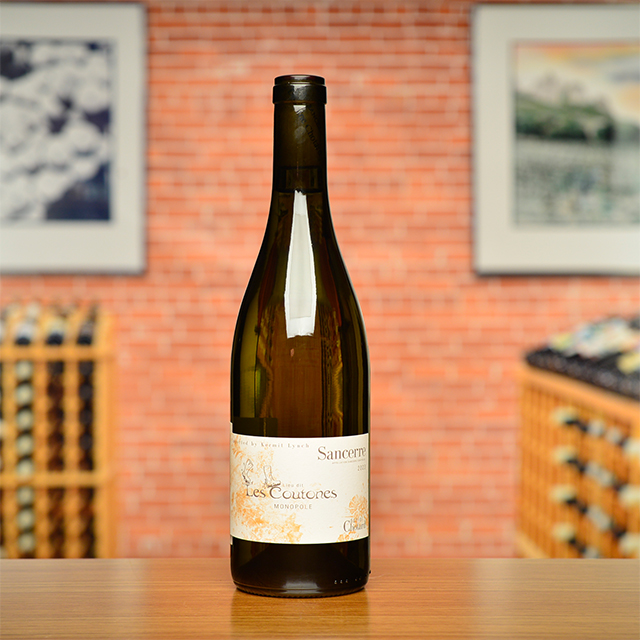
2023 Sancerre “Les Coutones”
France | Loire
A fleshy, full-bodied Sancerre with great freshness and the ability to age in bottle for a few years after release.

2023 Sancerre Rouge “Le Chant de l’Archet”
France | Loire
From south-facing, Kimmeridgian limestone terroir, the Chotards makes a serious wine—dark, delicious, and ready to drink now.

2021 Vin de France Blanc “Chenin Centenaire”
France | Loire
Fermented and aged in barrel and bottled unfiltered, it features a delightful kiss of oak on the long, bracing, mouth-watering finish.
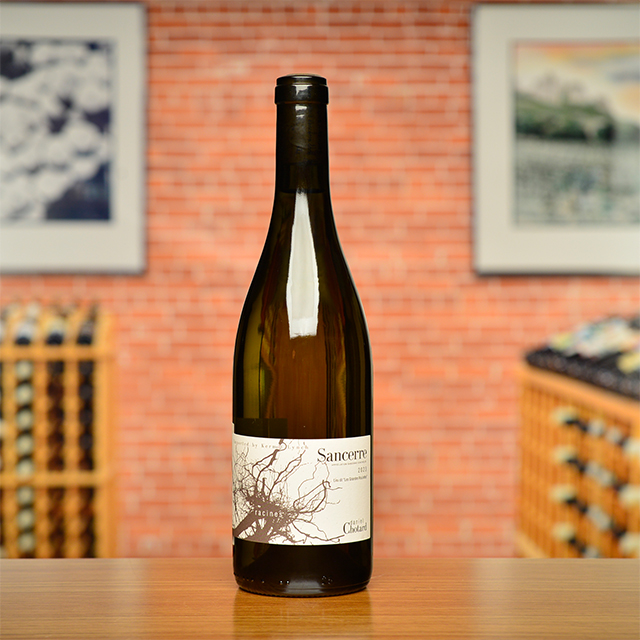
2023 Sancerre “Racines”
France | Loire
It combines the racy acidity and taut mineral structure with a subtle kiss of oak and a fine wood grain on the finale.
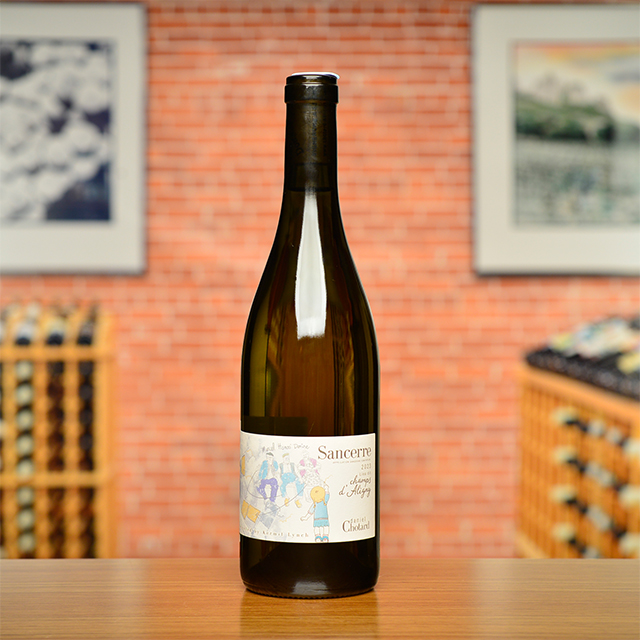
2023 Sancerre Blanc “Cuvée Marcel Henri”
France | Loire
An understated Sancerre is not easy to find. Here, however, is a perfect example, full of depth, complexity, and finesse.

2022 Savennières Roche aux Moines “Clos de Rochepin”
France | Loire
A serious, cellar-worthy white wine made for serious white wine drinkers!

2016 Chinon “Les Varennes du Grand Clos” MAGNUM
France | Loire
Joguet’s Varennes du Grand Clos has fine-grained tannins that seem to melt into the richness of a marbled steak in an almost magical way.

2022 Sancerre “Hameau de Reigny”
France | Loire
Aromas of passionfruit and pineapple lend a playful quality, fleshing out Sancerre’s characteristic stony backbone.
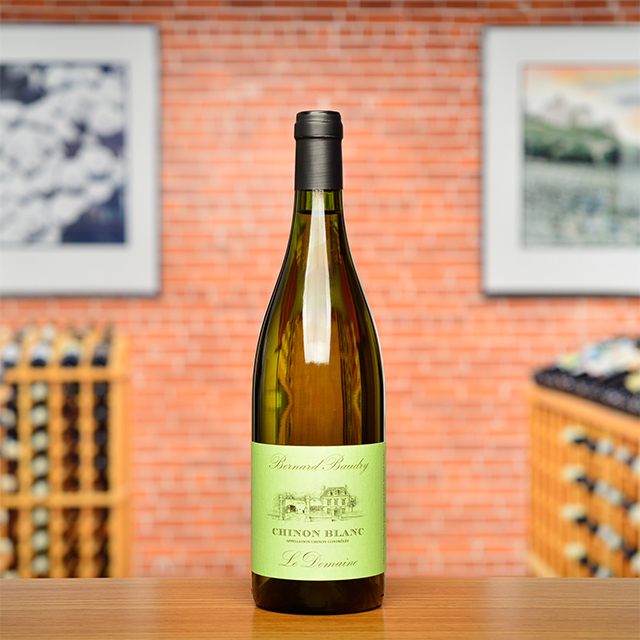
2023 Chinon Blanc
France | Loire
A rare Chenin Blanc from the land of Cabernet Franc, it is ultra fresh and brimming with citrus blossom and orchard fruit notes.


About The Producer
Daniel Chotard
About The Region
Loire

The defining feature of the Loire Valley, not surprisingly, is the Loire River. As the longest river in France, spanning more than 600 miles, this river connects seemingly disparate wine regions. Why else would Sancerre, with its Kimmeridgian limestone terroir be connected to Muscadet, an appellation that is 250 miles away?
Secondary in relevance to the historical, climatic, environmental, and cultural importance of the river are the wines and châteaux of the Jardin de la France. The kings and nobility of France built many hundreds of châteaux in the Loire but wine preceded the arrival of the noblesse and has since out-lived them as well.
Diversity abounds in the Loire. The aforementioned Kimmeridgian limestone of Sancerre is also found in Chablis. Chinon, Bourgueil, and Saumur boast the presence of tuffeau, a type of limestone unique to the Loire that has a yellowish tinge and a chalky texture. Savennières has schist, while Muscadet has volcanic, granite, and serpentinite based soils. In addition to geologic diversity, many, grape varieties are grown there too: Cabernet Franc, Chenin Blanc, Sauvignon Blanc, and Melon de Bourgogne are most prevalent, but (to name a few) Pinot Gris, Grolleau, Pinot Noir, Pineau d’Aunis, and Folle Blanche are also planted. These myriad of viticultural influences leads to the high quality production of every type of wine: red, white, rosé, sparkling, and dessert.
Like the Rhône and Provence, some of Kermit’s first imports came from the Loire, most notably the wines of Charles Joguet and Château d’Epiré—two producers who are featured in Kermit’s book Adventures on the Wine Route and with whom we still work today.
More from Loire or France
2025 Bourgueil Rosé “La Ritournelle”
Catherine & Pierre Breton France | Loire
2021 Saumur Champigny “La Marginale”
Thierry Germain France | Loire
2021 Saumur-Champigny “Franc de Pied”
Thierry Germain France | Loire
2025 Reuilly “Les Pierres Plates”
Domaine de Reuilly France | Loire
2024 Muscadet Sèvre et Maine Sur Lie
Domaine Michel Brégeon France | Loire
2025 Reuilly Pinot Gris Rosé
Domaine de Reuilly France | Loire
2025 Chinon Rosé
Bernard Baudry France | Loire
2022 Saumur-Champigny “Les Mémoires”
Domaine des Roches Neuves France | Loire
Vouvray Brut
Champalou France | Loire
2022 Jasnières “Cuvée Sainte Narcisse”
Pascal Janvier France | Loire
2024 Saumur Champigny “La Foulée”
Thierry Germain France | Loire
2025 Sancerre Rosé
Domaine Roger Neveu France | Loire
2025 Bourgueil Rosé “La Ritournelle”
Catherine & Pierre Breton France | Loire
2021 Saumur Champigny “La Marginale”
Thierry Germain France | Loire
2021 Saumur-Champigny “Franc de Pied”
Thierry Germain France | Loire
2025 Reuilly “Les Pierres Plates”
Domaine de Reuilly France | Loire
2024 Muscadet Sèvre et Maine Sur Lie
Domaine Michel Brégeon France | Loire
2025 Reuilly Pinot Gris Rosé
Domaine de Reuilly France | Loire
2025 Chinon Rosé
Bernard Baudry France | Loire
2022 Saumur-Champigny “Les Mémoires”
Domaine des Roches Neuves France | Loire
Vouvray Brut
Champalou France | Loire
2022 Jasnières “Cuvée Sainte Narcisse”
Pascal Janvier France | Loire
2024 Saumur Champigny “La Foulée”
Thierry Germain France | Loire
2025 Sancerre Rosé
Domaine Roger Neveu France | Loire
Kermit once said...

Kermit once said...
Great winemakers, great terroirs, there is never any hurry. And I no longer buy into this idea of “peak” maturity. Great winemakers, great terroirs, their wines offer different pleasures at different ages.
Inspiring Thirst, page 312